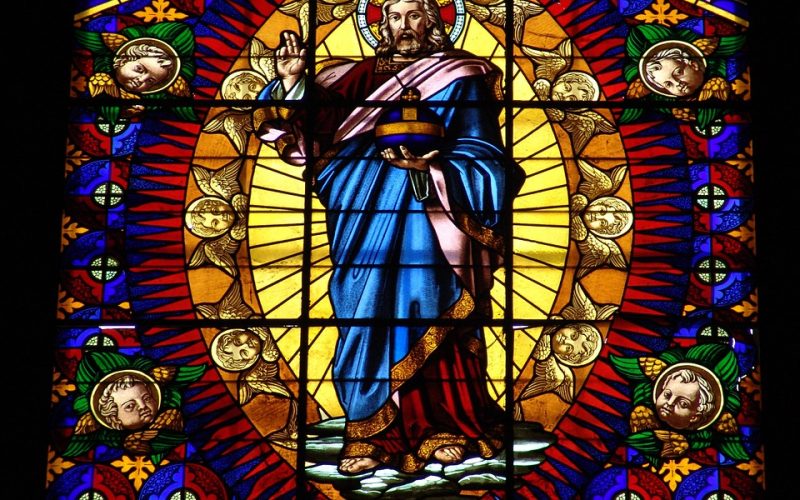
Leaded stained glass has been a defining feature of sacred and civic architecture for over a thousand years. From the soaring Gothic cathedrals of medieval Europe to the ornate Victorian townhouses of Britain, these luminous panels of coloured glass have long captured the human imagination. Their enduring appeal lies not just in their beauty, but in the extraordinary craftsmanship required to produce them.
How leaded stained glass is made
The process of creating leaded stained glass begins with the selection and cutting of coloured glass into precise shapes. Each piece is then fitted within strips of lead, known as cames, which are soldered together at every joint. The resulting panel is sealed with a putty compound to make it weatherproof and rigid. It is a painstaking process that demands both artistic vision and technical precision — one that has changed surprisingly little since the Middle Ages.
The role of lead in stained glass
Lead plays a structural role that goes well beyond simply holding the glass in place. Its malleability allows craftspeople to follow intricate curves and contours, while its durability ensures panels can withstand centuries of exposure to wind, rain, and temperature change. The dark lines of the lead cames also serve a visual function, acting as outlines that define figures, foliage, and geometric patterns within the composition.
Notable examples across Britain
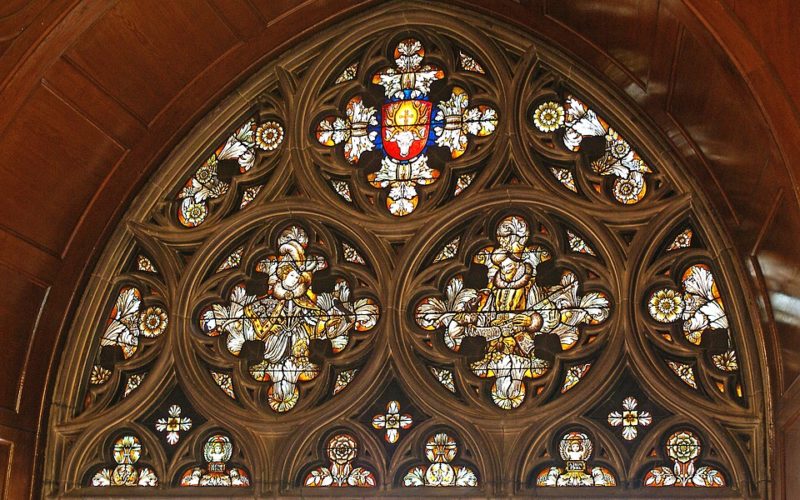
Britain is home to some of the finest examples of leaded stained glass in the world. The Five Sisters window at York Minster, dating from around 1250, remains one of the largest expanses of grisaille glass anywhere in Europe. Canterbury Cathedral houses a remarkable collection of medieval panels depicting scenes from the life of Thomas Becket. More recently, the work of artists such as Harry Clarke and John Piper has demonstrated how the tradition continues to evolve in the hands of skilled contemporary practitioners.
Conservation and restoration challenges
Maintaining historic leaded stained glass is a significant undertaking. Over time, lead cames can fatigue and bow under their own weight, allowing panels to distort or even crack. Environmental pollution accelerates the degradation of both the glass and the lead, while vibration from traffic or nearby construction can cause structural damage. Specialist conservators often work with archaeologists and historians to ensure that restoration projects preserve the original materials and iconography as faithfully as possible.
Leaded glass in domestic settings
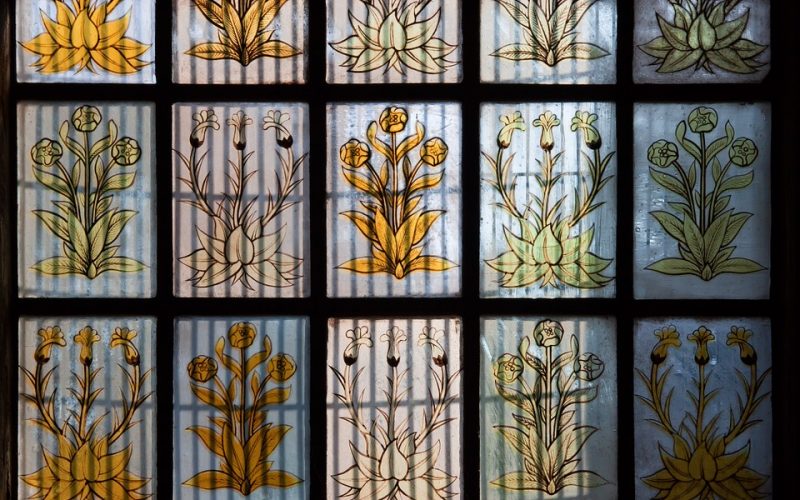
Beyond ecclesiastical buildings, leaded stained glass has long been a feature of British domestic architecture. Victorian and Edwardian homes frequently incorporated decorative leaded lights into front doors, porches, and hallway windows. These panels typically feature geometric patterns, floral motifs, or heraldic imagery, and they remain highly sought after by homeowners and property restorers today. Skilled glaziers continue to produce bespoke leaded glass panels for both period restorations and contemporary interiors.
A living craft with a long future
Despite the availability of modern alternatives, the appeal of genuine leaded stained glass endures. Architectural glaziers, conservation studios, and independent artists continue to practise and refine this ancient craft. For those with an interest in British heritage, architecture, or the decorative arts, leaded stained glass offers a remarkable window — quite literally — into centuries of artistic and cultural history.